Likelihood Of Confusion: Trademarks
Hi all!
Today we will talk about trademarks. Always wondered how exactly lawyers distinguish one brand from another? Cheers then: six factors for determining the likelihood of trademark confusion.
- Relatedness of goods or services.
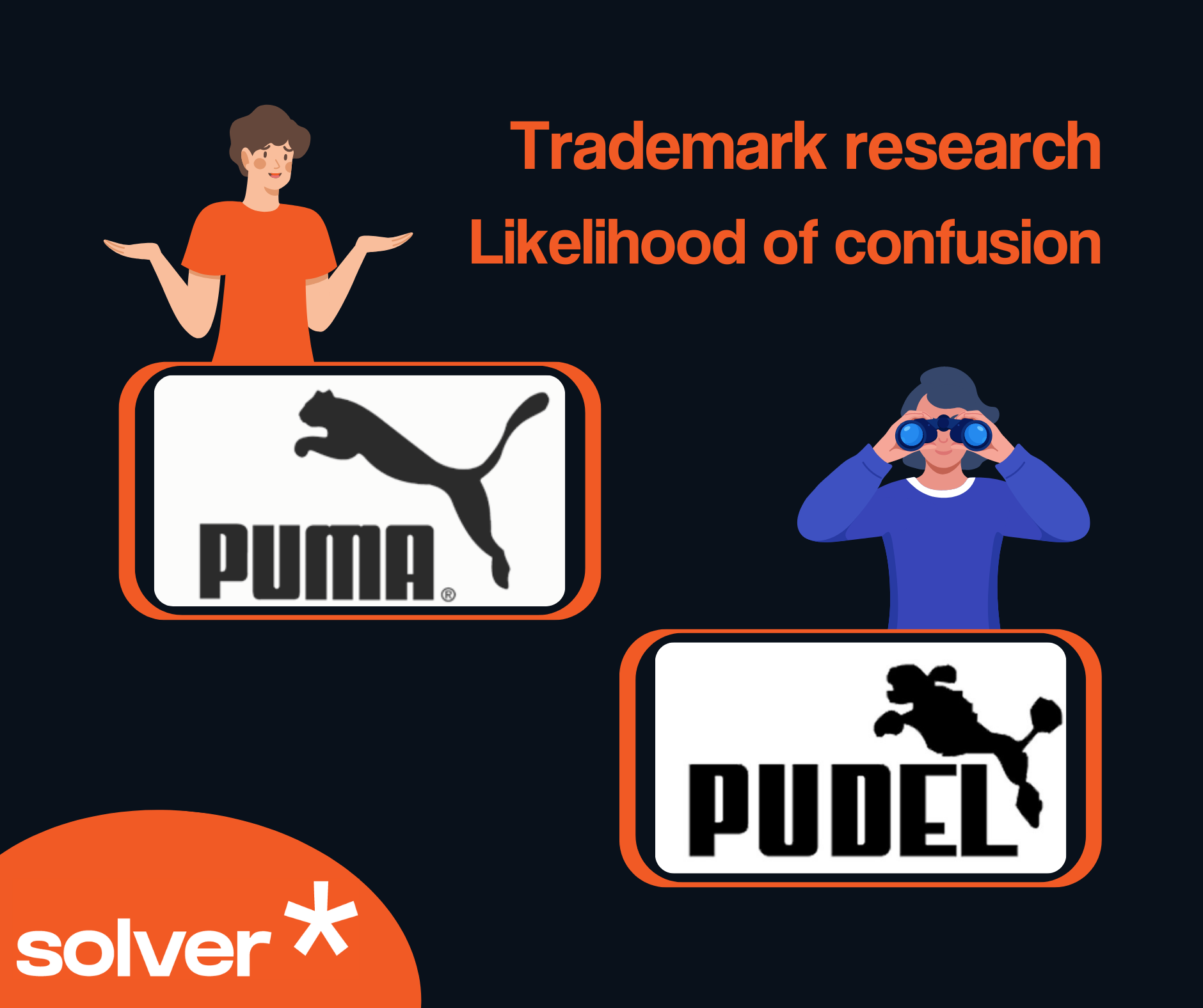
Trademarks can be in different classes, but the goods are still related. For example, if the PUMA brand is registered in class 025 (T-shirts), the brand’s PUDEL TM registration in class 040 (T-shirt embroidery services) will be rejected.
- Brand similarity.
Factors to consider include, among others, visual and phonetic similarities (looks, sounds like), word meanings, translations, and market considerations.
- The similarity in appearance.
Logos can also be too similar and confusing when it comes to their appearance and design. Color, image, silhouette, etc. are important here.
- The similarity in sound.
The similarity of sounds refers to the phonetic coincidence of signs. PUDEL and PUMA are very similar.
- The similarity in meaning.
One of the important factors influencing the likelihood of confusion is the meaning of signs concerning the description of goods and services. While identical in sound and appearance, they can have completely different commercial impressions.
PUMA and PUDEL are both animals, so the application may be rejected.
- Signs of design.
The probability of mixing design marks is determined based on the similarity of their visual presentation. As you can see from the image, these two trademarks look like jumping animals and have very similar typefaces.
Hope we made the likelihood of confusion a bit clearer for you! If you have any additional questions, please contact us through this website, and we’ll be happy to help!