How to Define the Product Class for a Trademark Application
How do I determine which products to include in my trademark application?
The hardest part of the trademark application process is often deciding which products to include (or not include) in your application. A two-step analysis can help us figure out the best way forward. First, we’ll decide how to put your products into the correct category. Second, you will compare the application’s costs, and benefits based on your business needs to decide which products to include in the application. Below, we’ll talk about each step.
The USPTO adheres to the “Nice Classification System”, which categorises products and services into 45 “International Classes” When we speak of a “Class,” we mean one of the 45 International Classes defined by the Nice Classification System.
We request that you specify the items you offer (or want to sell) under your brand. This is a crucial stage in the application process since it helps us to categorise your items accurately. Because trademark rights in the United States apply solely to the exact things you are selling (or plan to sell) with the mark, we request that you specify your products. Apple, for instance, possesses trademark rights for its phones and computers but not for tires or aircraft since it does not sell these products.
Step One – Determining Product Classification
Using the USPTO identification manual and our professional experience, based on your questionnaire responses, we will recommend the appropriate Classes for your particular products, which will determine the cost of your application. Let’s look at some examples:
Ex.1: I want to sell the canned tomato and cosmetics under Class 3. First, canned tomato isn’t acceptable for Class 3. Trademark Class 3 includes cleaning and cosmetic products, laundry and bleaching products, polish products, abrasives and cleaners, soaps, dentifrices, cosmetics, perfumery, essential oils, and hair lotions. In addition, USPTO requires an accurate list of the products you want to sell. So cosmetics is too general a definition to start the registration of the trademark.
Ex 2: I define my brand’s items as shampoo and spice. I used the USPTO identification guide (http://idm-tmng.uspto.gov/id-master-list-public.html).
Step Two – Determining Which Products to Include in the Application
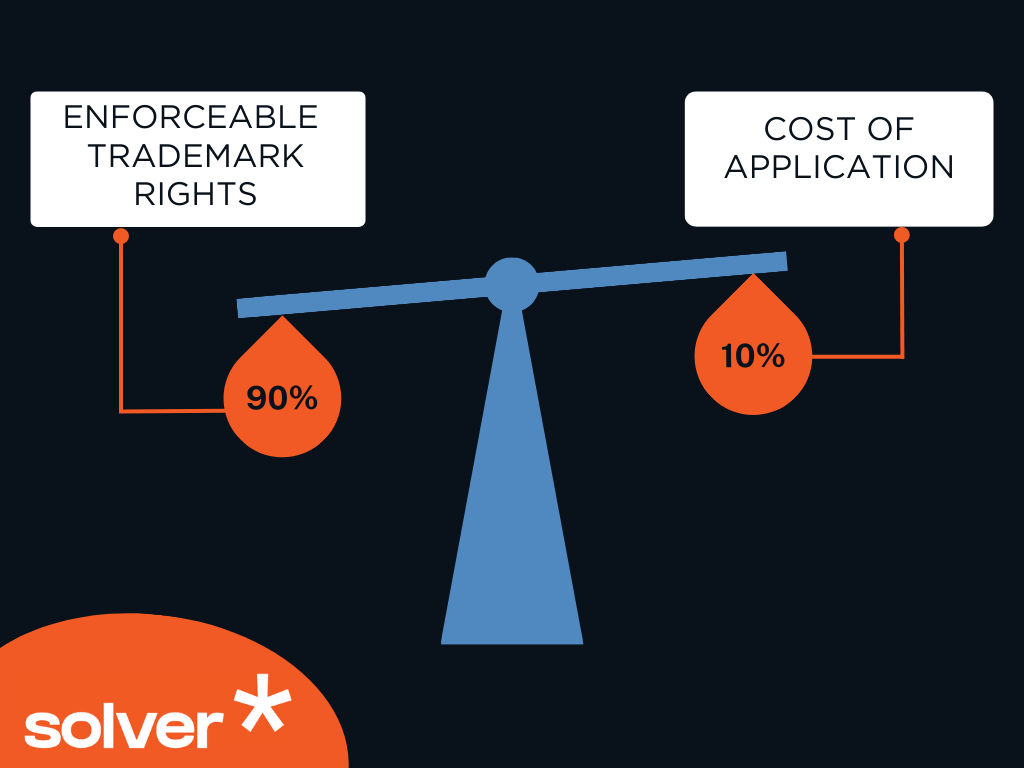
The number of Classes claimed in an application influences its cost. However, the items included in your application also impact the breadth of your registered trademark rights: the more products registered, the greater your rights. Consequently, you must compare the expense against the value of more excellent trademark protection, as seen below.
You may add as many (or as few) products as you desire in your application. Importantly, for Amazon, an invitation to Brand Registry requires merely a trademark registration covering at least one product. As far as Amazon is concerned, once enrolled in Brand Registry, you are free to sell any items you choose via your Brand Registry account, even if you do not have registered trademark rights in the “other” products. Due to the expense, many Amazon sellers elect to apply for just one of their most essential goods.
With all of this in mind, you need to make a business decision that is right for you and your business by weighing the costs and benefits of adding more classes.