The Most Common Reasons for the Related Account Suspension on Amazon
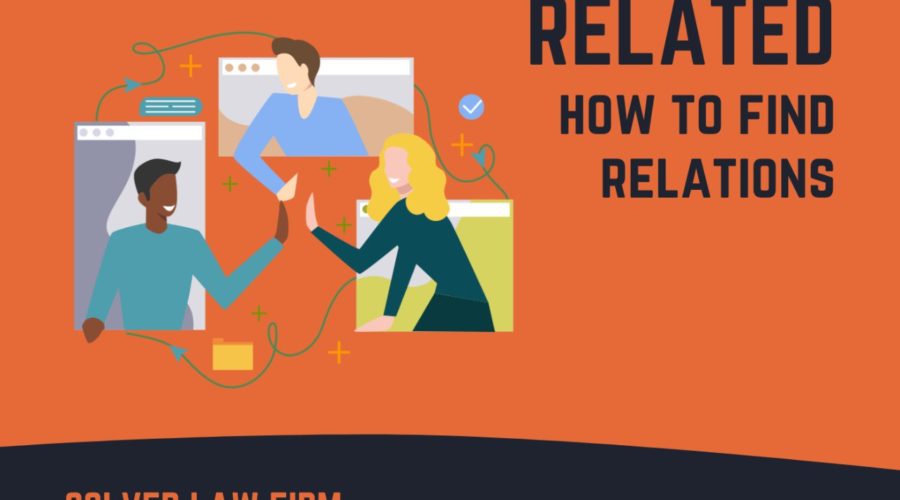
Hello everyone from Solver! Today we want to show you how to find relation reasons in “related” account suspensions if you don’t have the slightest idea about the related account. As practice shows, there are several reasons for…
Hello everyone from Solver!
Today we want to show you how to find relation reasons in “related” account suspensions if you don’t have the slightest idea about the related account.
As practice shows, there are several reasons for the relationship between accounts that the Amazon system can indicate:
- Business address is one of the most common reasons for “related account” suspensions. Any addresses that are not unique (your personal address of residence, for example) put the risk of account deactivation due to relations at a high level. In the Business Addresses or Tax Information sections of the account, our team often sees public addresses that can be used by other sellers. For example, the address of the preparation center or third-party company registrar. Know that as soon as you no longer need such addresses, delete them as quickly as possible. If your account has already been deactivated due to relations, you must double-check all the past addresses that were on the account.
- IP and public Wi-Fi – we think that many sellers are aware of the use of VDS (virtual desktop server) when logging into the account. However, we can say that IP addresses and random logins from public Wi-Fi spots without using VDS are also a very common problem for sellers. Be aware that any of your logins under a Wi-Fi spot from a cafe, airport, or railway station can lead to “related account” deactivation. If you are already “related” to another account that you do not know, we advise you to brush up on all your past logins to the account.
- Charge and deposit methods are common reasons for related account suspensions. If you accidentally enter somebody else’s credit card into your account, there can be trouble. So use only your own credit cards for your account.
- Giving user permissions to other people or companies can also result in being “related” to an account that uses the same permission from the same person or company. That is why Solver never works on permissions. In this way, we protect your account. Be aware that any permission you give to a preparation center or any other third party can relate your account to an account that you were never aware of. Therefore, we advise you to delete permissions that you no longer use immediately.
We hope that you have already taken the necessary steps to protect your account from “related accounts” suspension and you will never have to face such a problem. If you still couldn’t find relation reasons or don’t know how to choose the right argument in your appeal, we will always be happy to help!